A conversation with Beata Błaszkiewicz, co-founder of Podlesie Arabians, about passion, breeding, and horses that stay in one’s heart forever
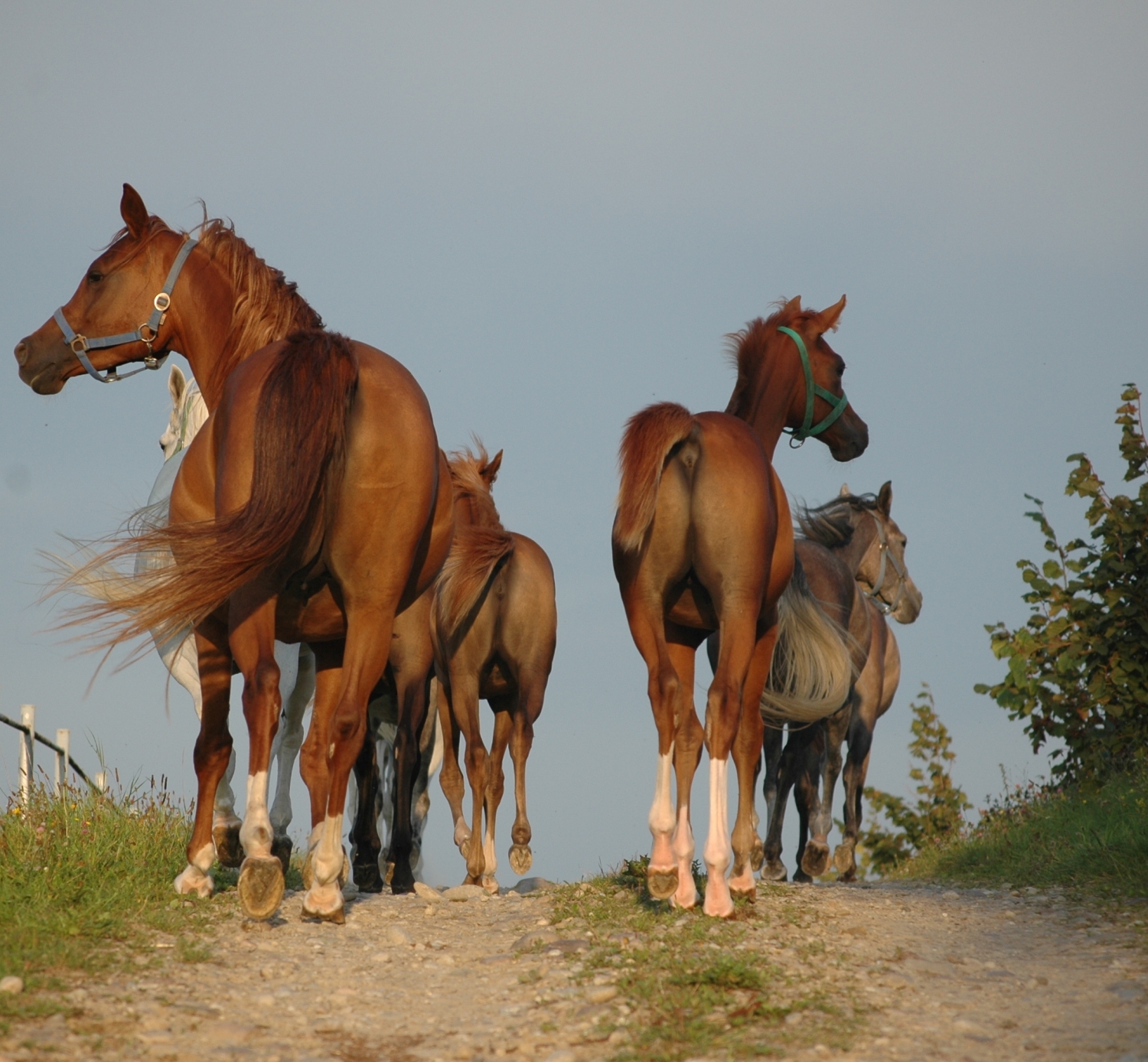
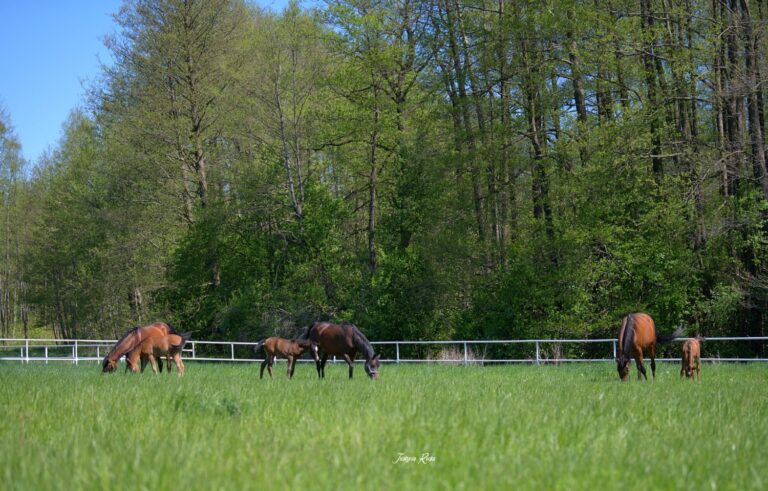
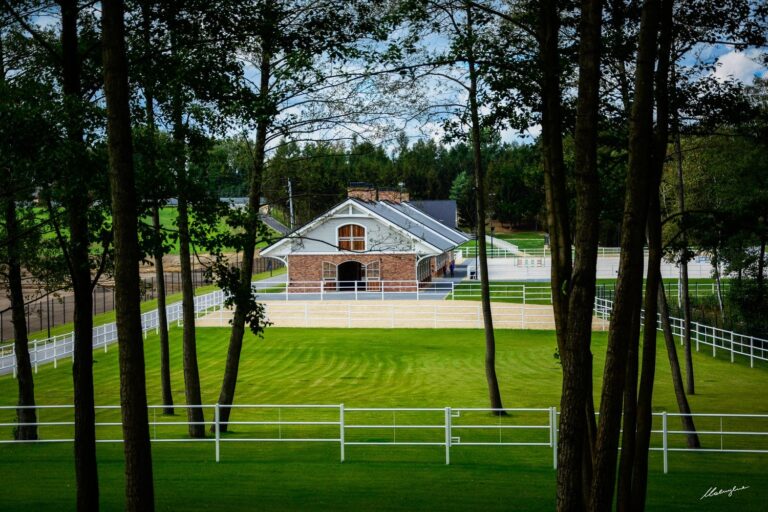
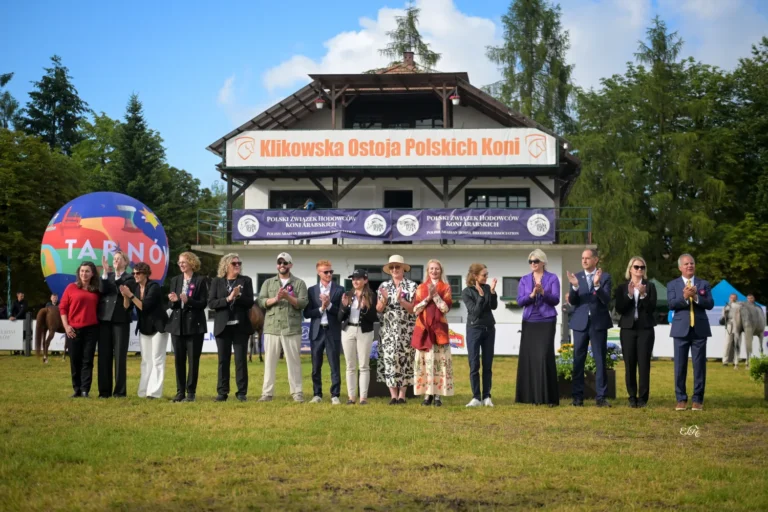
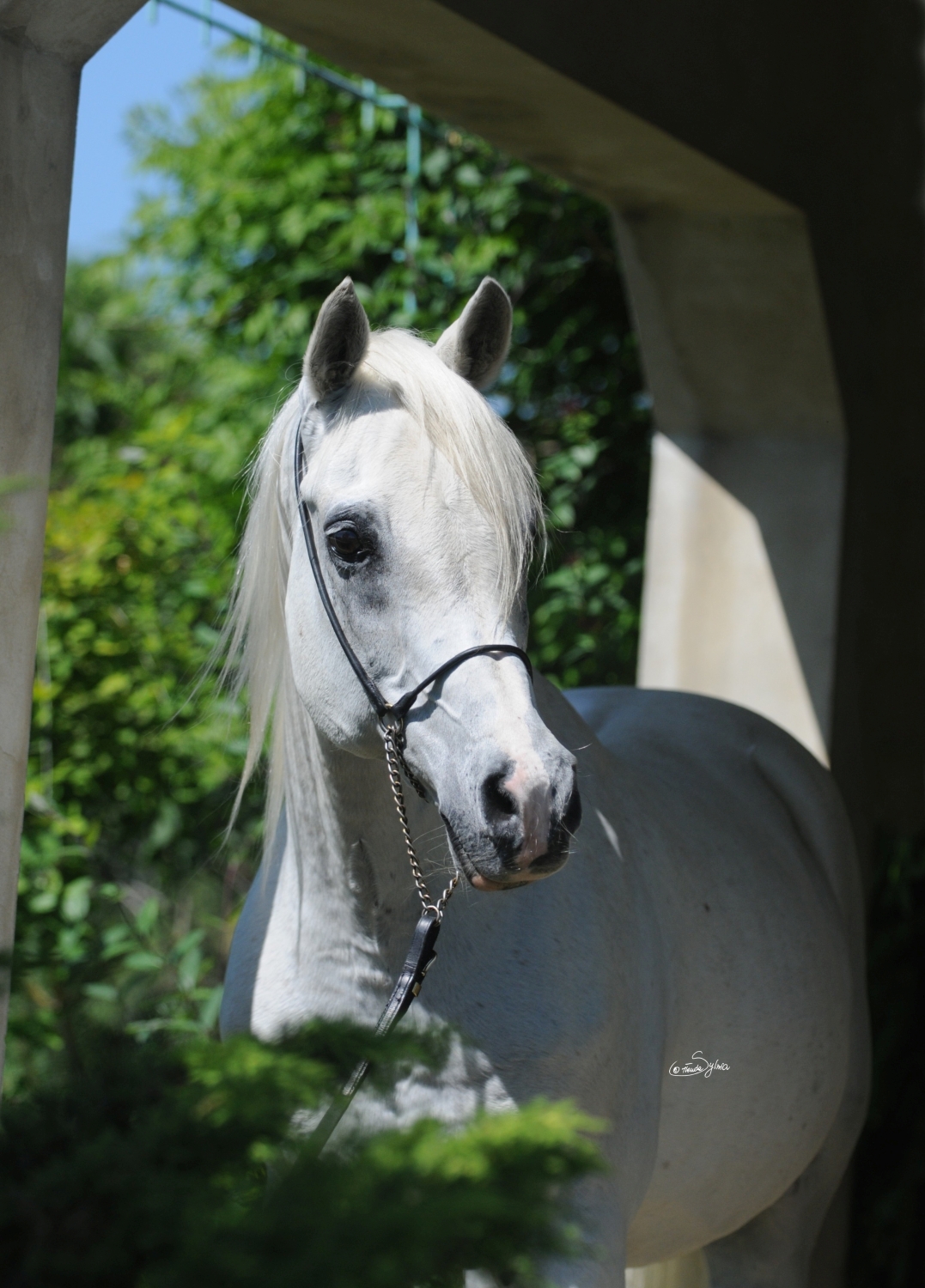
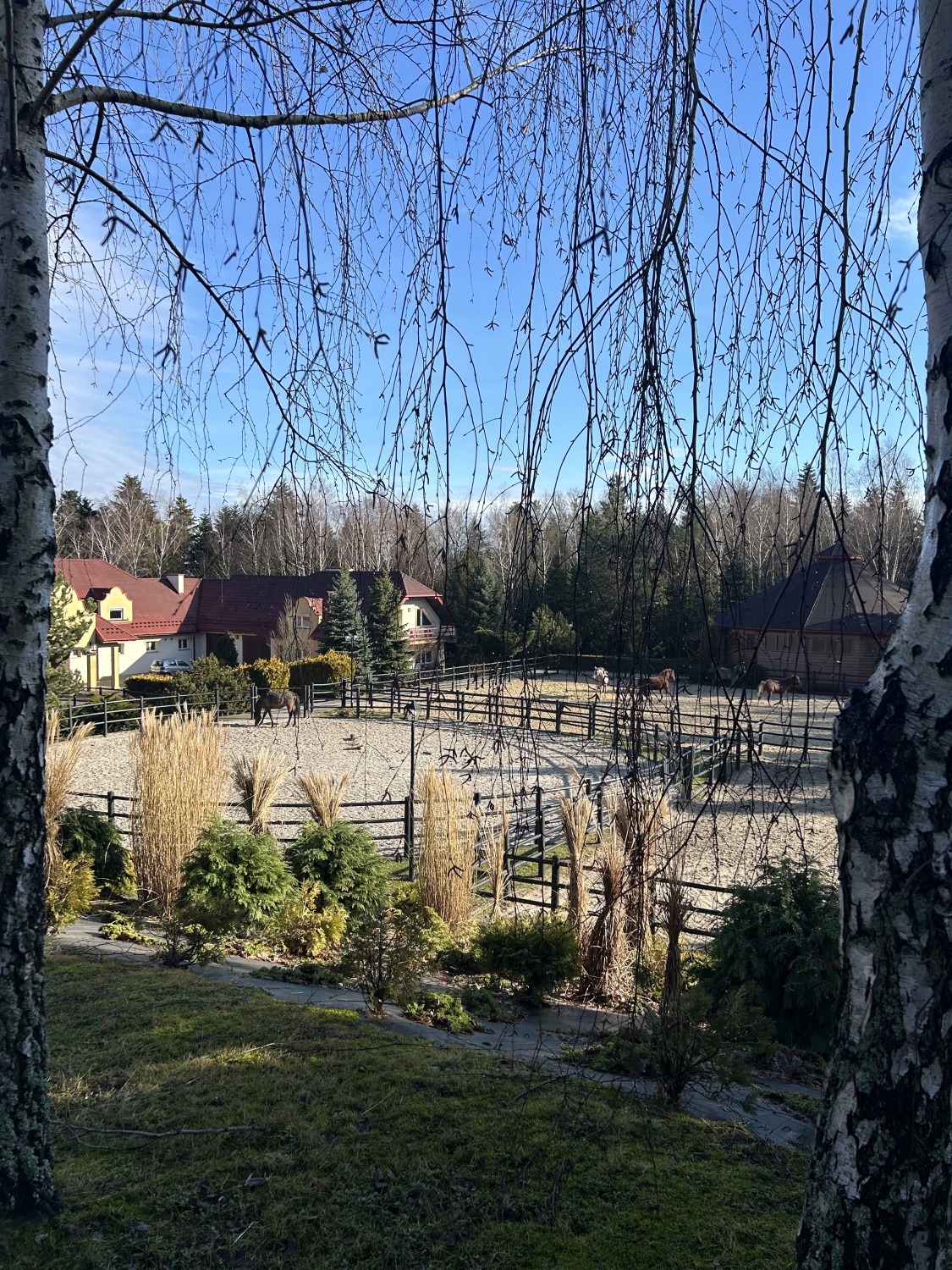
Podlesie Arabians stud farm of Beata and Marek Błaszkiewicz is located in the small town of Bistuszowa, near Tarnów, amidst the rolling hills of the Ciężkowice Foothills. For a number of years, this was the place that Gepard (Pamir – Giza / Pepton), bred at Michałów Stud and winner of the 1995 Derby, called home. Today, El Piatzolla (WH Justice – Enya / Ekstern), one of the most decorated daughters of WH Justice born in Poland, reigns supreme at the stables.
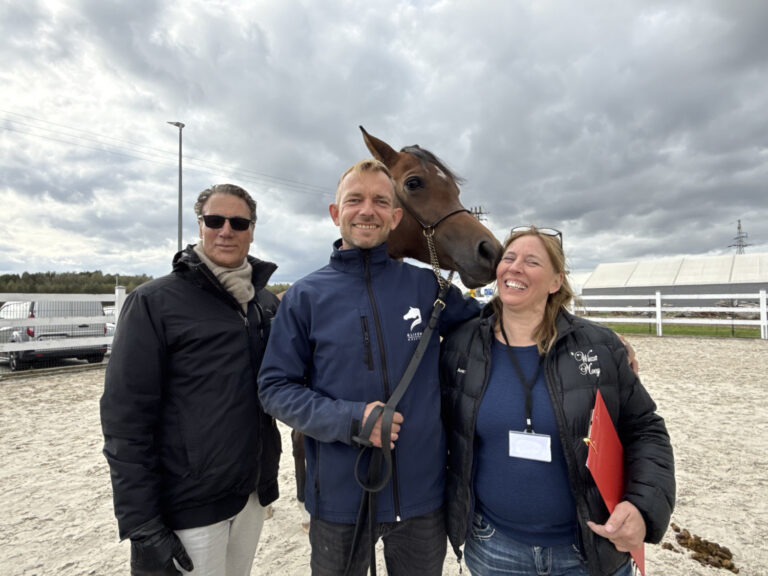
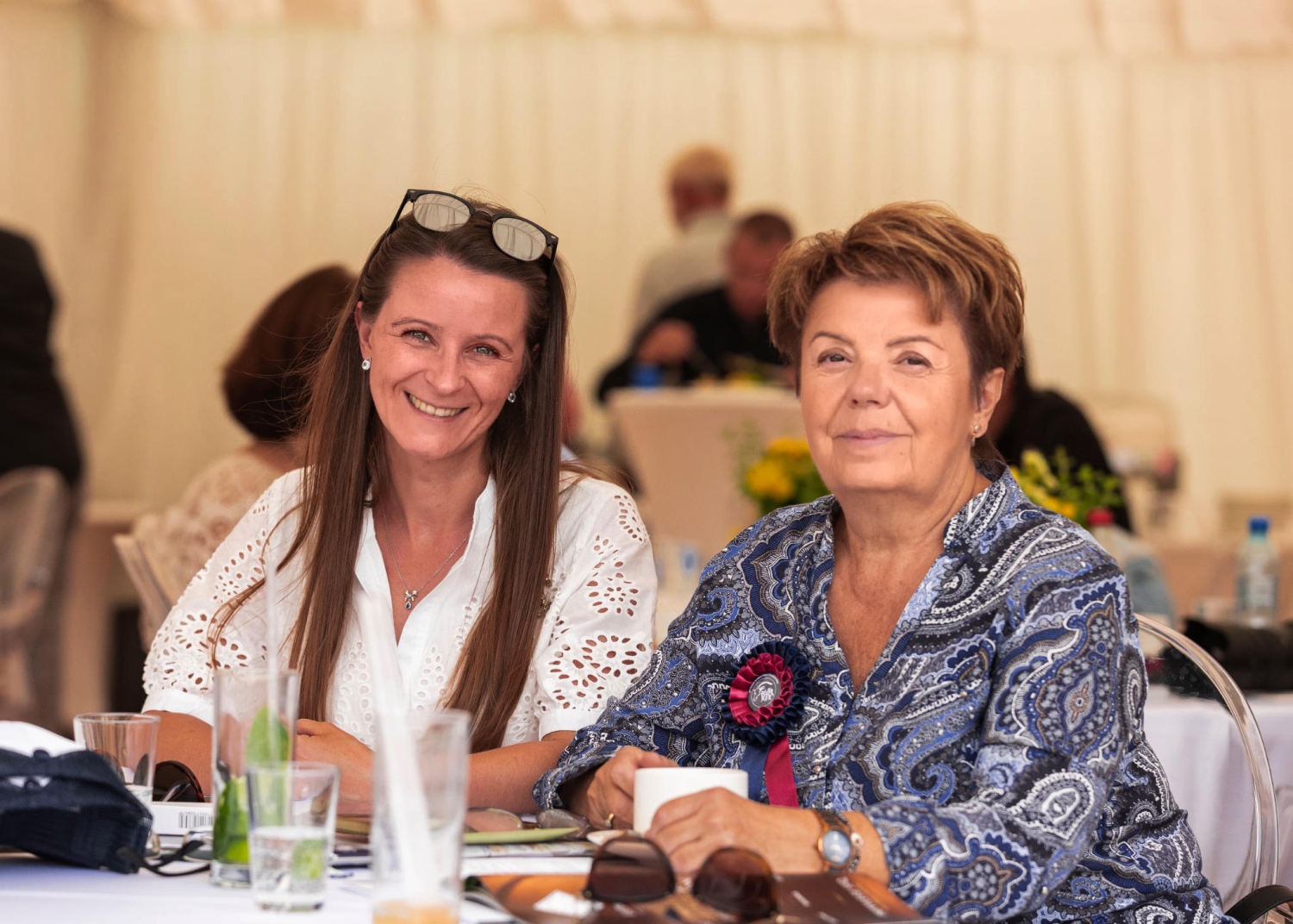
Strusinianka, a bakery and confectionery shop dating back to 1845, has been inextricably linked to Podlesie Arabians from the very start. It was then, in the 2nd half of the 19th century that farmer and baker Jan Błaszkiewicz baked his first loaves of bread, which he sold to his neighbours, beginning a family tradition continued today by Beata and Marek Błaszkiewicz. Regulars at horse shows in Tarnów are well-acquainted with Strusinianka’s artisanal sweets and pastries, which have accompanied the event for years. I had the opportunity to speak with Beata for the first time at one of the Tarnovian shows. After no more than a few minutes, I noticed the way she looks at horses. She spoke of her “hooved kids” with genuine passion and tenderness. Combining her years of breeding experience with a basic knowledge of veterinary medicine and equine behaviour, she saw details that can be overseen at first glance. I was momentarily convinced that breeding Arabian horses was her way of life.
I arranged to meet with the Błaszkiewiczs on a hot June weekend. When I arrived, Beata, with characteristic warmth, invited me first for some cold water and sweets from Strusinianka. However, we had to postpone our visit to the stables. It was feeding time, so the horses were quietly eating their breakfast.
“Let’s not disturb them now,” was all she said.
I understood then that horses define everyday life here. We sat down at the table, surrounded by trophies and awards won by horses bred at Podlesie Arabians, and what was supposed to be a conversation about Arabian horse breeding quickly became a story of dreams, patience, responsibility… and passion.
Do you remember how it all started?
I think I was simply “born with a horse in mind”. Horses weren’t a passion I discovered over time; they’ve always been a part of my life as well as my personality. I grew up in a city where there were no horses, but even as a child, I created my own herd by collecting postcards of Arabian horses by Zofia Raczkowska. I used every penny I could get from my parents to do this.
I also had a crazy idea. When I was in my final year of primary school, I wrote a letter to Zofia Raczkowska. It was addressed to the editor-in-chief of the newspaper that had published an article about the journalists’ equestrian competitions. In the letter, I asked them to forward my correspondence to Mrs. Raczkowska. I still remember my immense joy when they replied to me. And what was waiting for me inside the envelope? A scroll of her photographs! I plastered them all over my room.
When did your adventure with horse riding begin?
I’ve been riding horses since I was a child. As early as seventh grade, I begged my dad to arrange riding lessons for me at the Stallion Depot in Klikowa. And he did. I still remember my first lesson. My “teacher” was a bay mare called Fortuna. The groom saddled her, attached the lunge line, sat me in the saddle, and simply said “Hold on now!” And so I held on very tightly… especially since, as it turned out, the girth hadn’t been tightened properly. (laughter) That’s how my riding adventure began.
Later, a riding school was established in Klikowa. As high school students, we organised our own riding camps. We’d travel to nearby Bonin, where, in exchange for riding, mostly in the countryside, we’d work at the stables and help out around the centre. It wasn’t until my final year of high school that I had to give up riding for a while to focus on my studies. I didn’t return to it until many years later, after giving birth to two children…
– …and getting married – adds Marek, the husband.
– Did horse riding turn into a family passion?
Yes, although first I had to pass this passion on to my husband.
– Not just me, the children too – interjects Marek with a smile (they both laugh).
It’s true. Both my daughter and son also ride horses. However, they approached it differently than we did. For them, it was primarily a sport and a series of goals to achieve. My husband and I definitely valued more the “wandering” aspect. Our first horses, the Wielkopolska-breed gelding Cichy and the German pony Suzi, were with Alex Jarmuła in Stare Żukowice. From there, on an Arabian horse named Orf by AJ Armaniak, who was not yet mine, we would set off on several-hour-long field trips.
Do you remember your first Arabian horse?
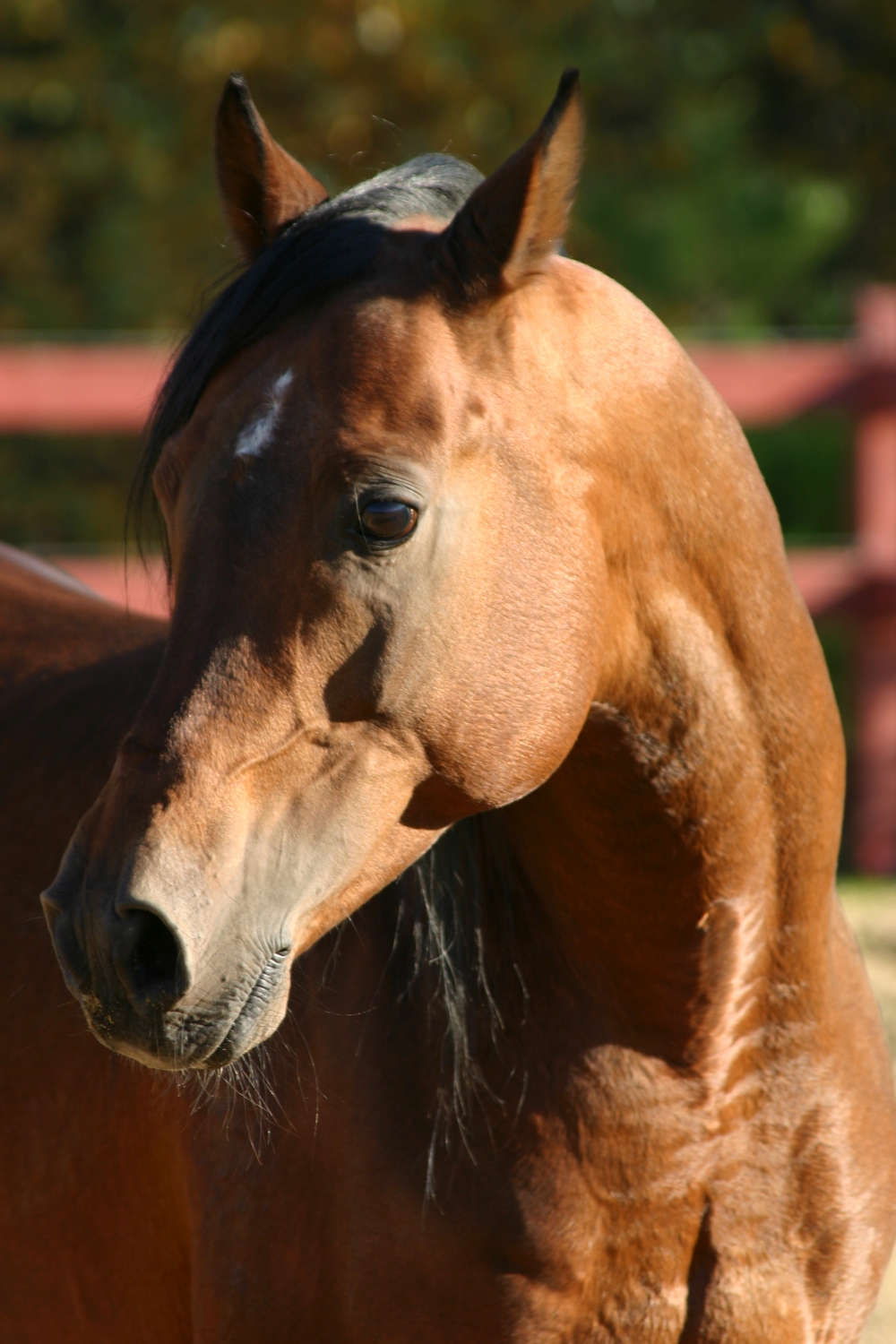
The moment came when we decided to expand our small herd, still housed with Alex, with our first purebred Arabian. Not having much experience yet with this breed, we drove to Michałów. There, they showed us Eblis, son of Wojsław and Eskalacja, a horse with a racing career. I still remember how wonderful he looked and how incredibly fast he moved. We looked at each other and said, “Sold!” At that time, we were using Alex’s help with horse training and learnt a great deal ourselves. We also bought Orf from him.
How did Podlesie Arabians find its place in Bistuszowa?
In 1996, we decided to move our four horses here to have them right next to our house. In fact, we moved here from Tarnów for them. We left the city because we wanted to live closer to our horses. And ever since, this has been our home.
When did you meet Gepard, the horse that played a special role in your life?
I first saw a Gepard during one of my visits to Michałów Stud. It was probably 1997. I was walking around the stables where the horses had been gelded after their racing careers ended. I stopped in front of a grey horse’s stall. All he did was raise his head and… magic happened.
– Yes, I remember that moment – Marek smiles. – All I heard was “I have to have him!”
And that horse was Gepard. A month later, we returned to Michałów. Buying him wasn’t easy, but I was determined. Ultimately, in addition to Gepard, we also bought the mare Dębina (Pamir – Dębówka / Eternit).
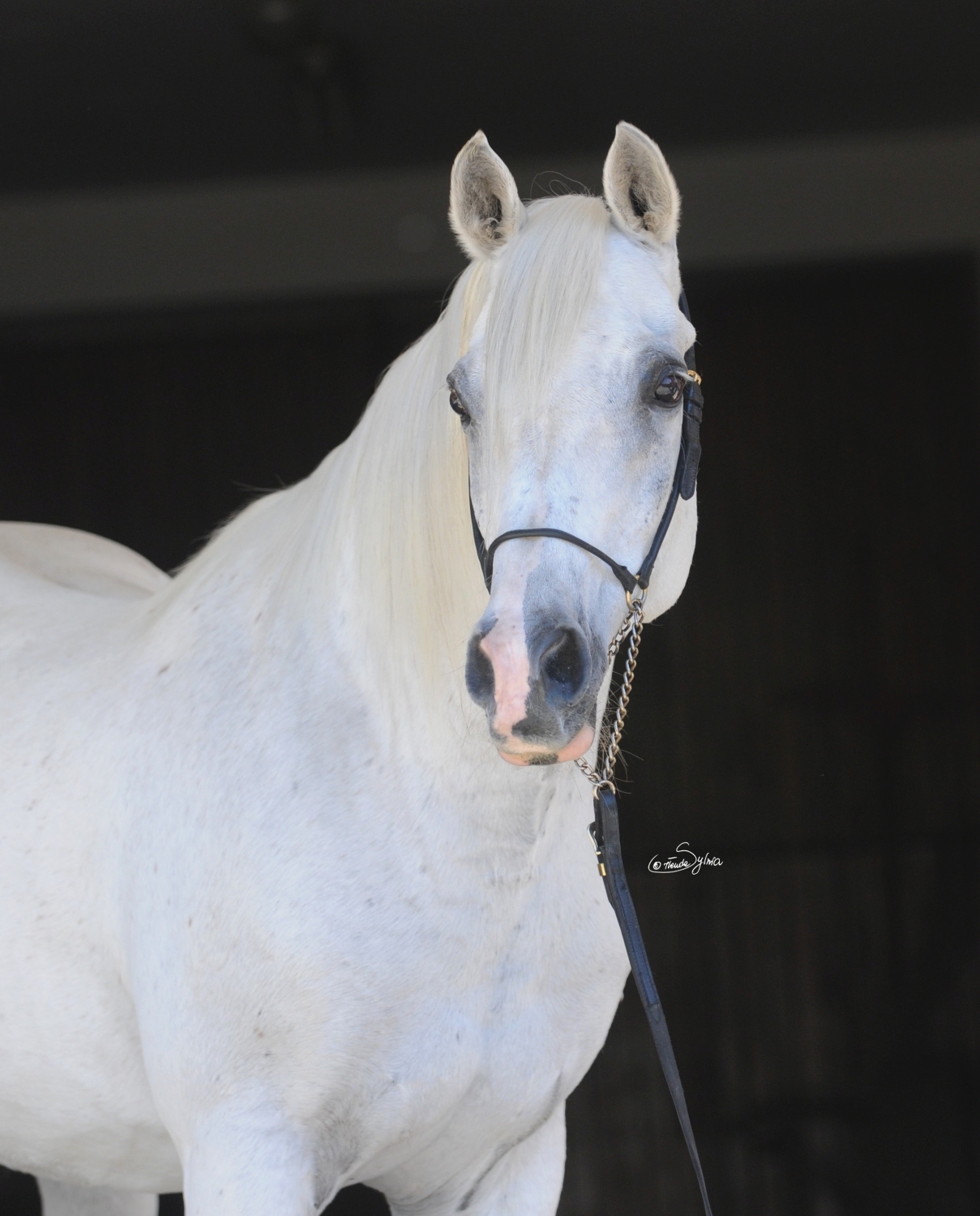
Today I know that buying Gepard was the beginning of a completely new chapter. Gepard was my saddle horse. We travelled dozens of miles of trails together.
The number of horses grew, and with them, so did the number of responsibilities. Around this time, Lenka Wagner from the Czech Republic joined our stud farm. She was a wonderful woman with extensive knowledge, experience, and an incredible gift for working with horses. It was at her urging that we developed our recreational activities. We did a lot of off-road riding. The area is demanding, full of steep climbs and descents, but our horses handled the terrain perfectly.
Did you breed those horses yourself?
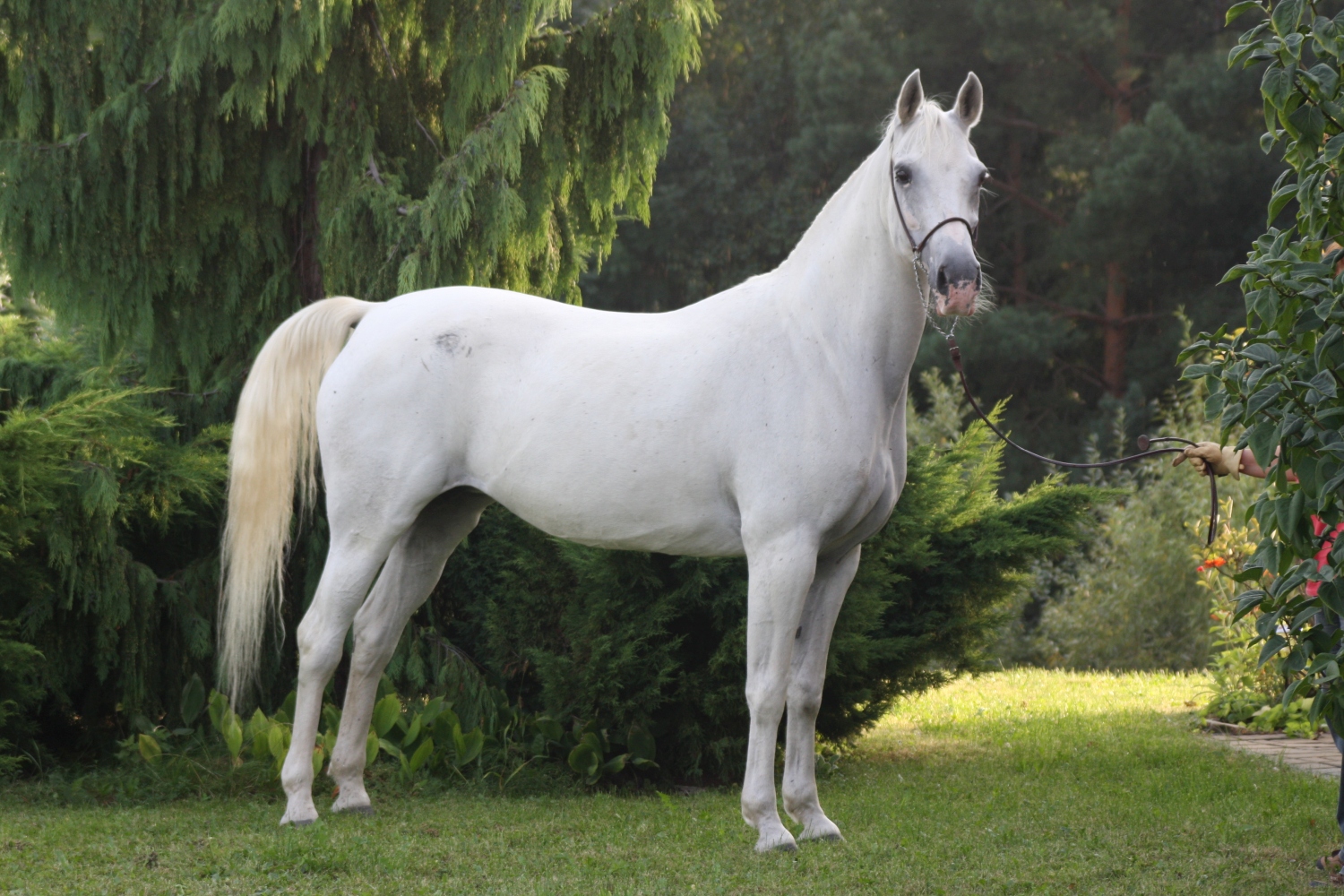
To a large extent, yes. We bred horses primarily for their performance. Dębina came to us in foal to Emigrant, and in 1998, Dukat was born. In 2000, we bred Dębina to Eblis, and Desperat came into the world. He was a horse with a wonderful and strong character. In the meantime, we purchased Elizka, a Pamir-daughter from Michałów out of the mare Eulalia. She was also in foal to Emigrant and gave birth to Empaira at our place. Our herd gradually expanded, and our recreational activities flourished. More and more of our riders appreciated our Arabian horses as riding horses. They were horses that cooperated well with the rider, treated them gently, and were also excellent in the field.
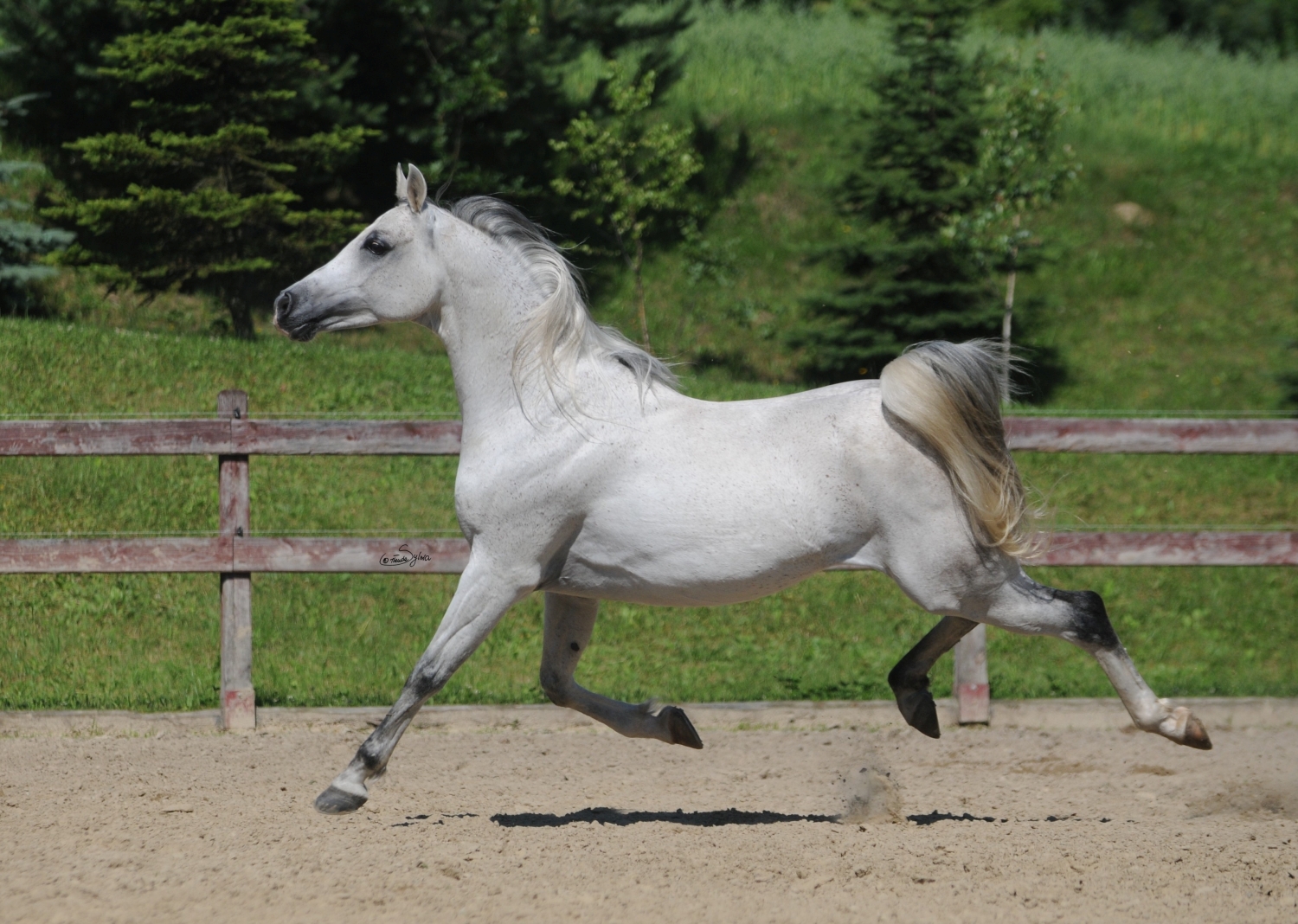
Gepard became much more than just a saddle horse for you. I do know, however, that his story also had a very difficult chapter…
A year after Gepard arrived at our stable, problems began. He developed colicky pains. Everything seemed normal, his intestinal peristalsis was intact, but sometimes he ate with gusto, other times he barely ate at all. He would also refuse to drink. I could see him feeling better at times, worse at others. However, I had a feeling something more serious was going on.
One December day, his condition deteriorated rapidly. He was clearly suffering. We didn’t hesitate for a moment, loaded him into a trailer, and headed to the clinic in Warsaw. This was 1999, so the journey alone took over seven hours. He arrived in serious condition. I insisted on surgery because I felt we couldn’t wait any longer. It turned out he had a necrotic growth on his intestine. Before the surgery, the doctors asked me for permission to euthanise him if there was no chance of saving him. I refused. I wanted to give him a chance. During the surgery, they removed about 70 centimetres of his intestine and the surrounding lymph nodes. The operation was successful, and after four weeks, “Gepcio” returned home. At the time, he looked like a skeleton, but we provided him with the best care we could.
– And two years later, in 2001, he won the 80 km long endurance race at a then unattainable speed of 20.49 km/h – Marek adds with pride.
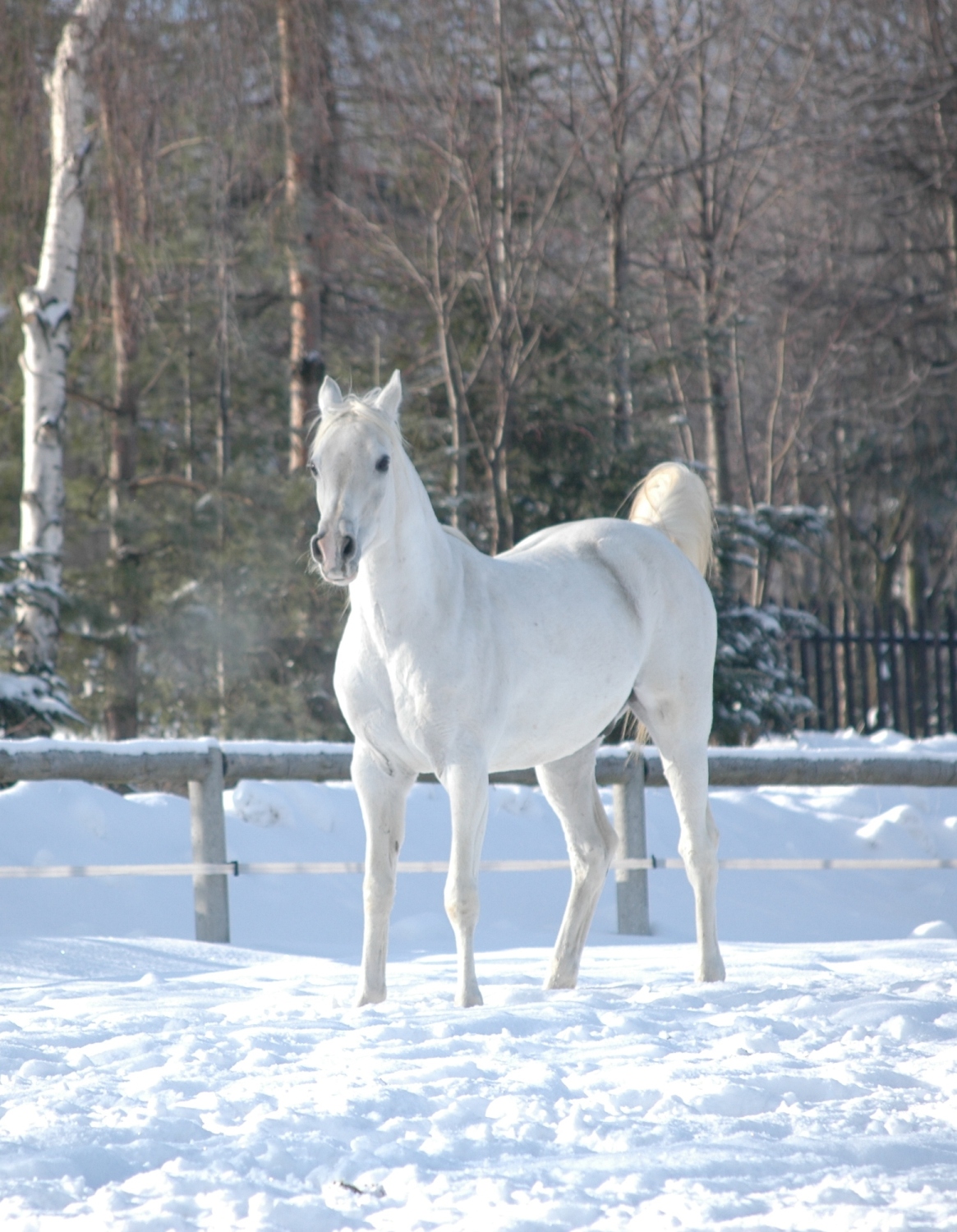
Yes! But it didn’t happen by accident. Everything was preceded by long preparations. Lenka and I worked on his fitness and strength. We went on an 80-kilometre-long trial race to Zabajka. On-site, all parameters were constantly monitored by a veterinarian. Gepcio’s results were exemplary, and I knew then that he was ready to compete. Two weeks before the first competition, I had a prophetic dream. I hadn’t thought of him that way at the time. I immediately told my husband and Lenka, who was supposed to ride him, about it. I dreamt that Gepcio was crossing the finish line first, with the second horse arriving half an hour later. And that’s exactly what happened! People were shaking their heads, saying we were sending him to an early grave because he was cantering over long distances. Meanwhile, at every vet checkpoint, he performed exceptionally well and his heart rate quickly returned to normal. For a long time, no horse could reach Gepard’s pace.
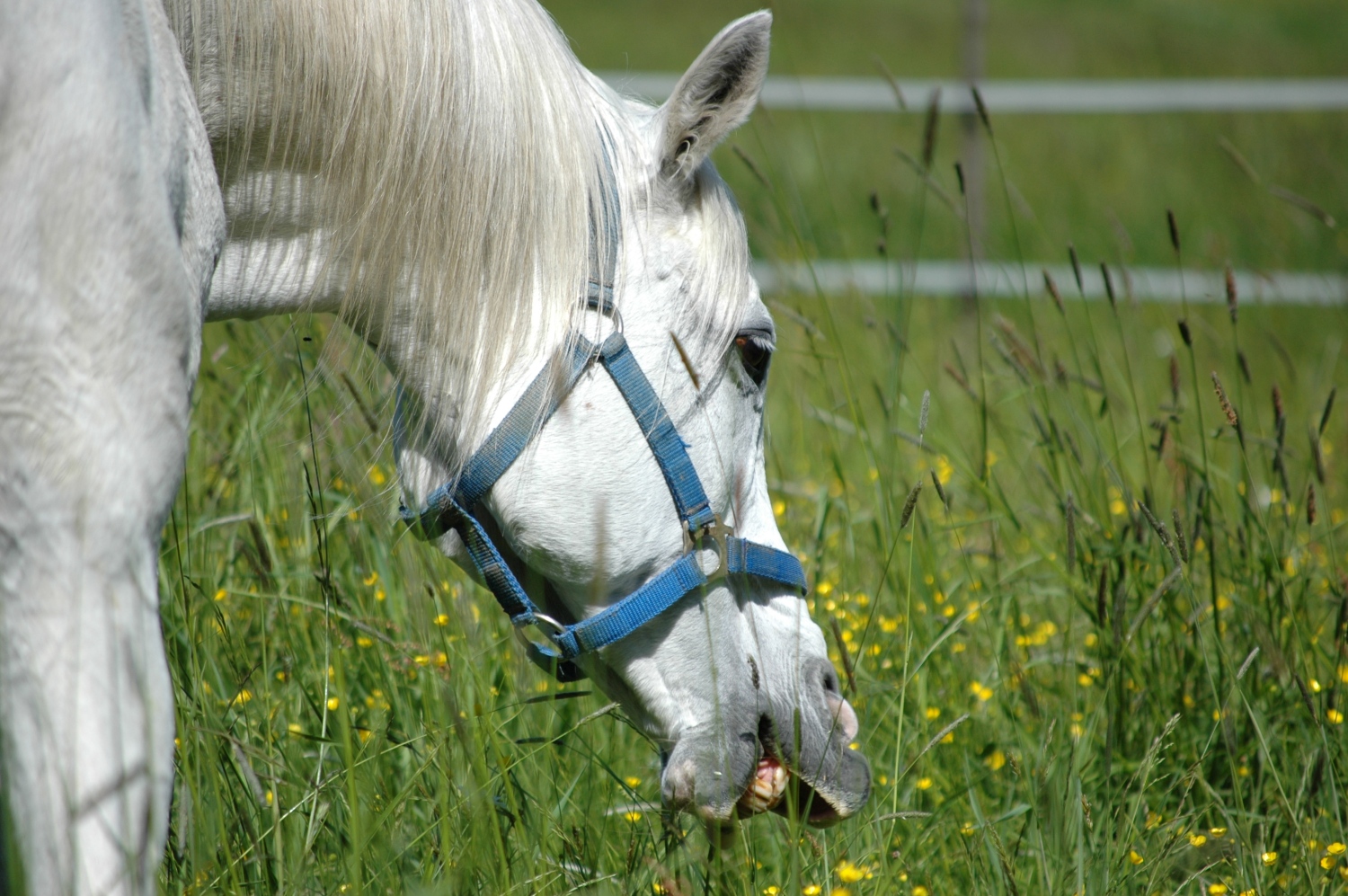
So when did the dream of breeding show horses come about?
My husband and I attended Arabian horse shows because observing these incredibly beautiful animals gave us immense pleasure. Time passed and a dream appeared in my head to breed a horse that would at least win fifth place in a championship. So we bred Elizka (Pamir – Eulalia / Eufrat) to Ekstern, and in 2002, Enya was born, the future dam of our El Piatzolla, who began our adventure with show horses.
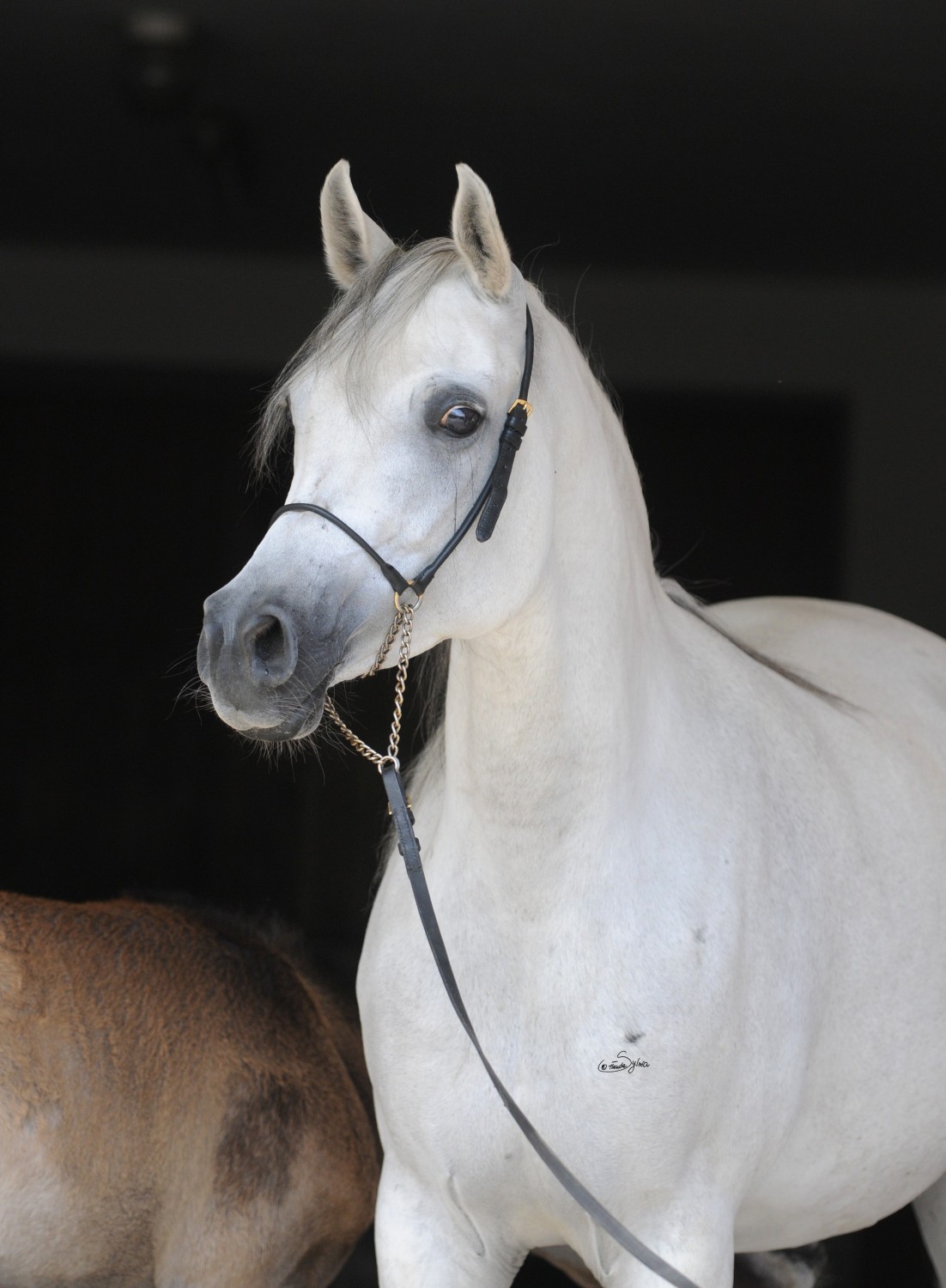
During the 2007 Junior Spring Show in Białka Stud, we saw the offspring of the stallion WH Justice bred by Mr. Krzysztof Goździalski of Falborek Arabians. We were delighted. That was the first time I thought: Will we ever be able to obtain semen from this stallion? Remember, that was nearly twenty years ago, and the breeding landscape was completely different than it is today. But we did and she was born: El Piatzolla… (Beata pauses for a moment, clearly moved.)
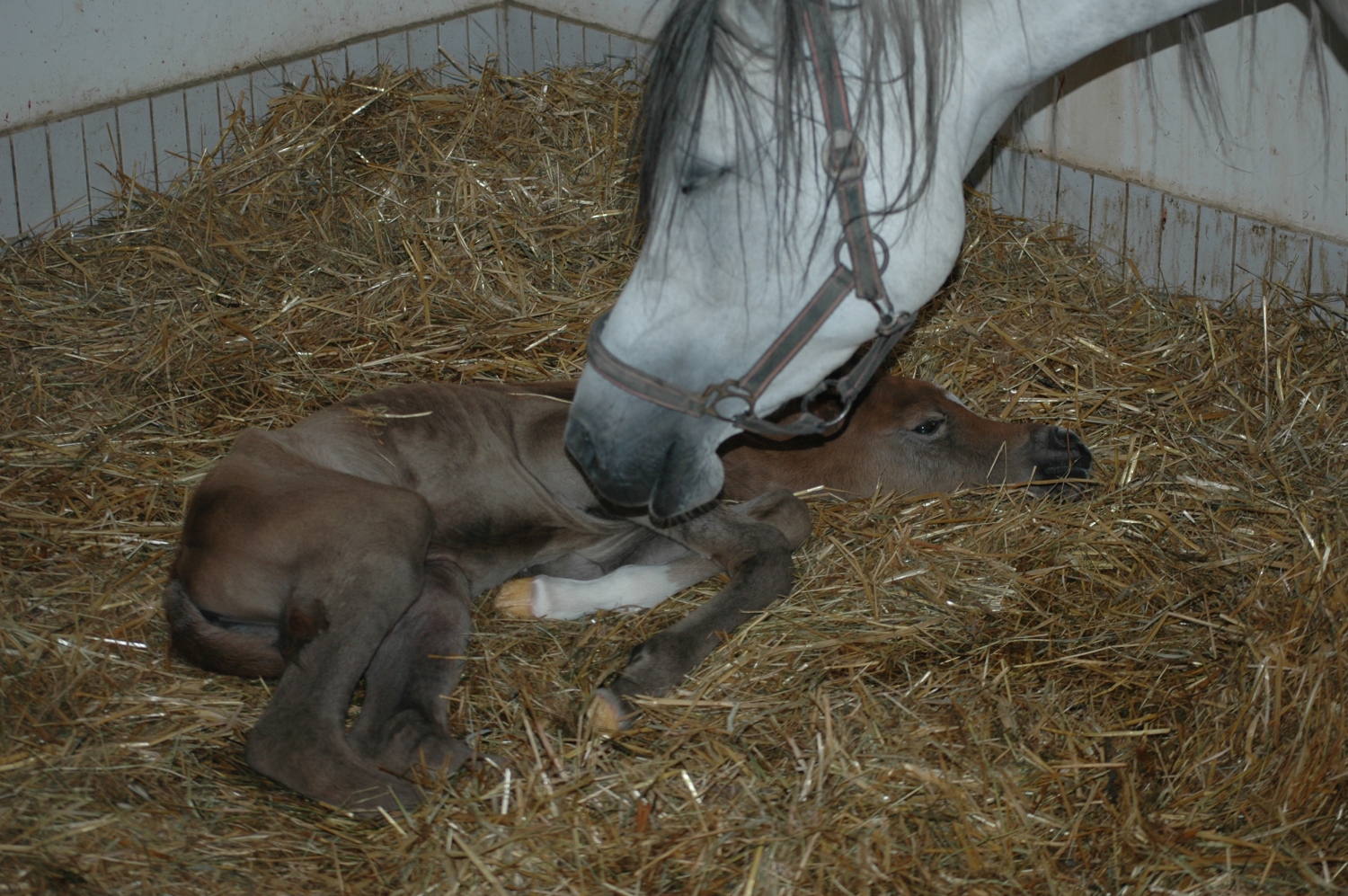
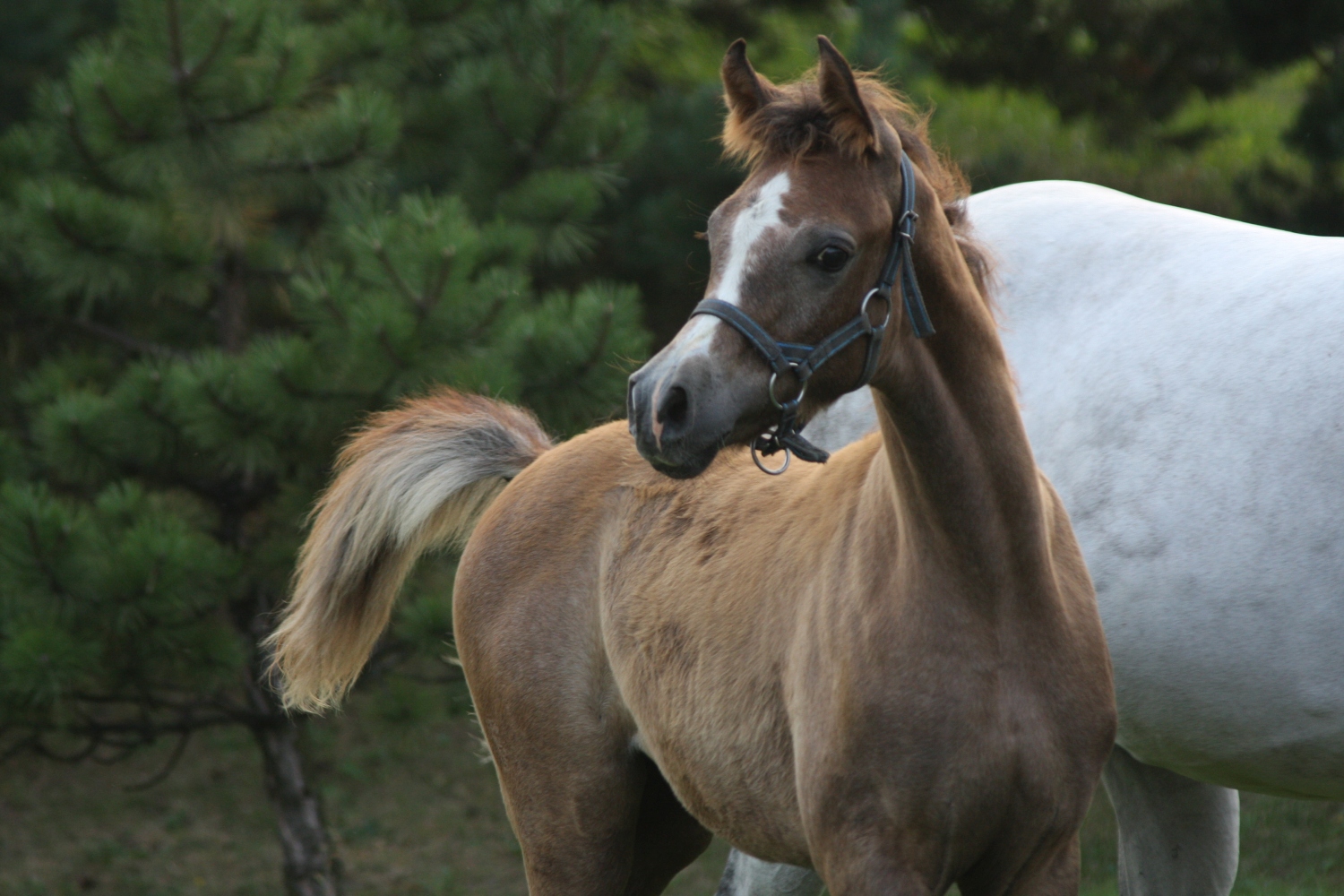
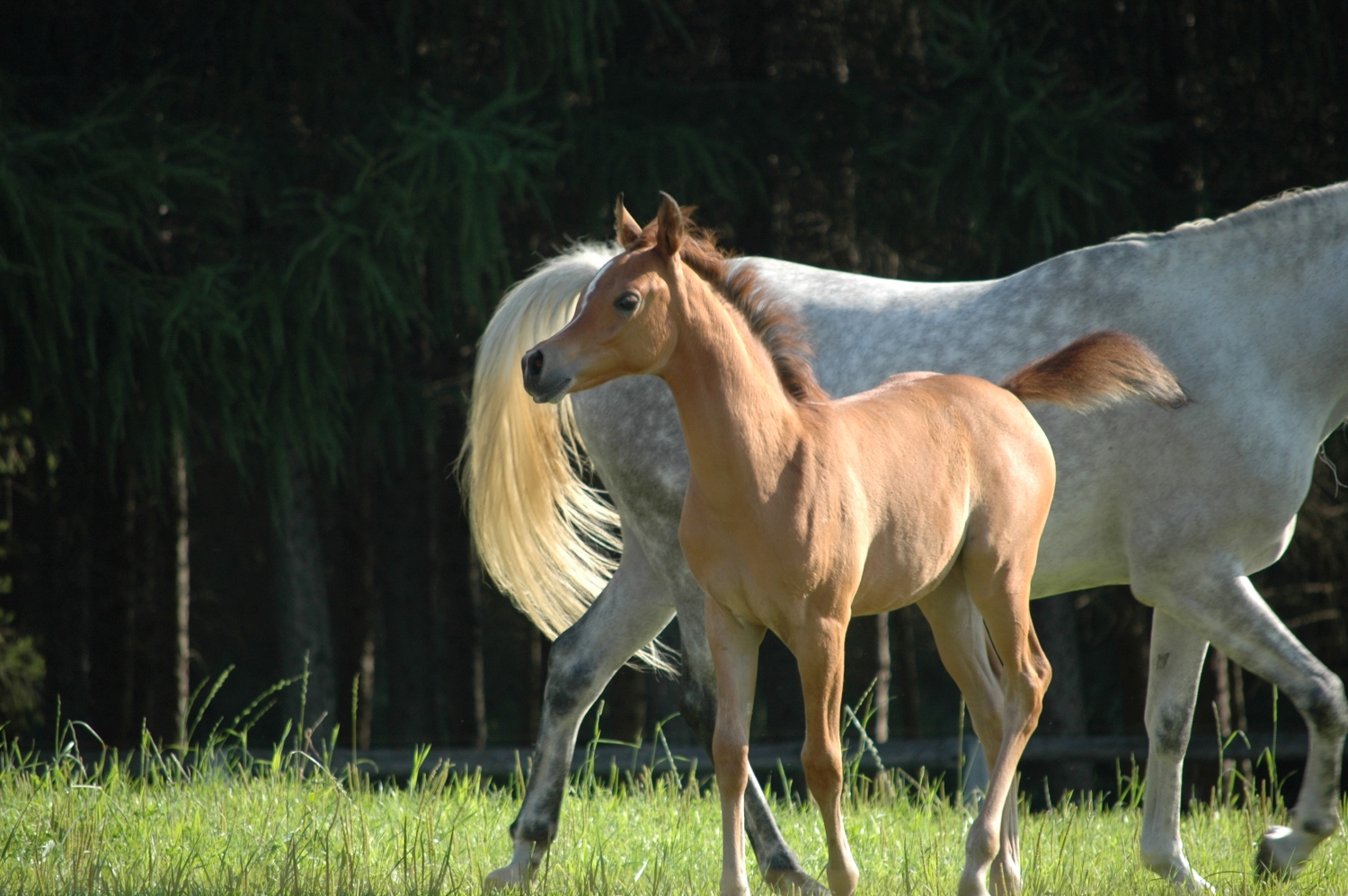
Our little miracle, our princess! The very next day after her birth, little Piatzolla emerged from the stables. She stood perfectly on her feet, tail up, and began her ballet, bouncing off the ground like a ball. She was incredible! Today, many more horses like her are born, but back then it was 2008. Horses like “Piatzolka” were much rarer.
El Piatzolla’s show career gained momentum…
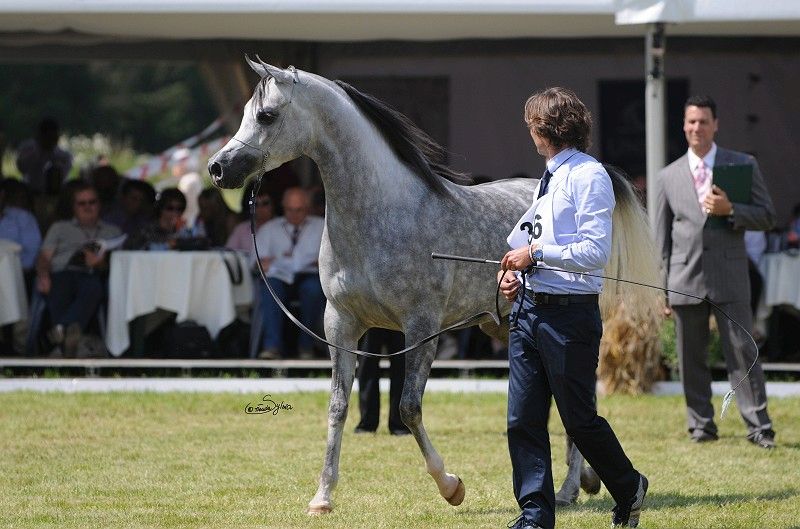
Yes, it all happened really fast. Already as a yearling, Piatzolla won her first medal – a silver at the Blommeröd show in Sweden – and it was a truly impressive performance at the time. Two months later, she added a bronze at the 4th Autumn Arabian Horse Show in Janów Podlaski. I remember the judges were extremely impressed by her movement.
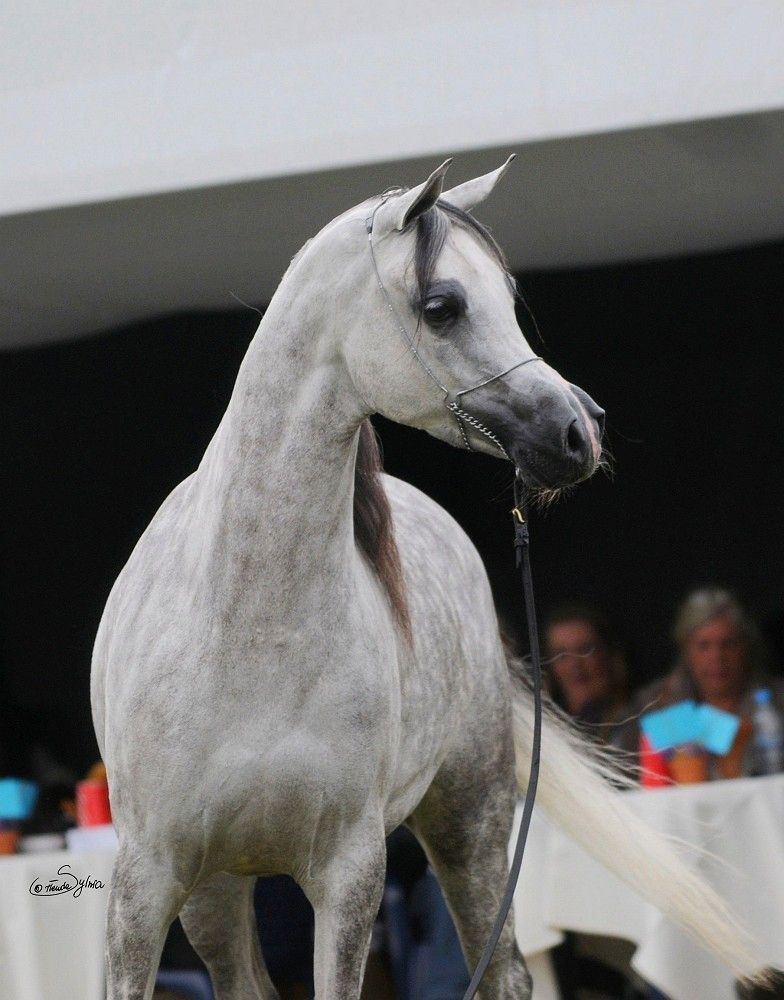
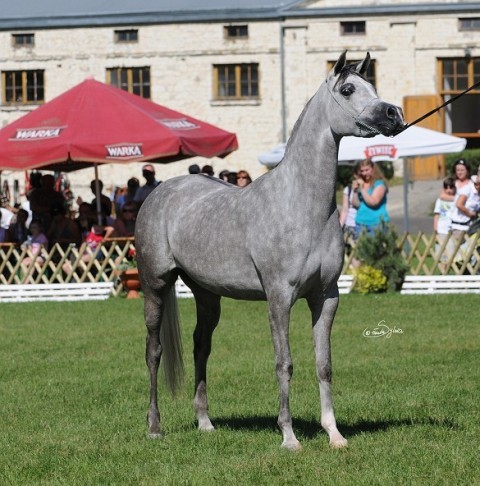
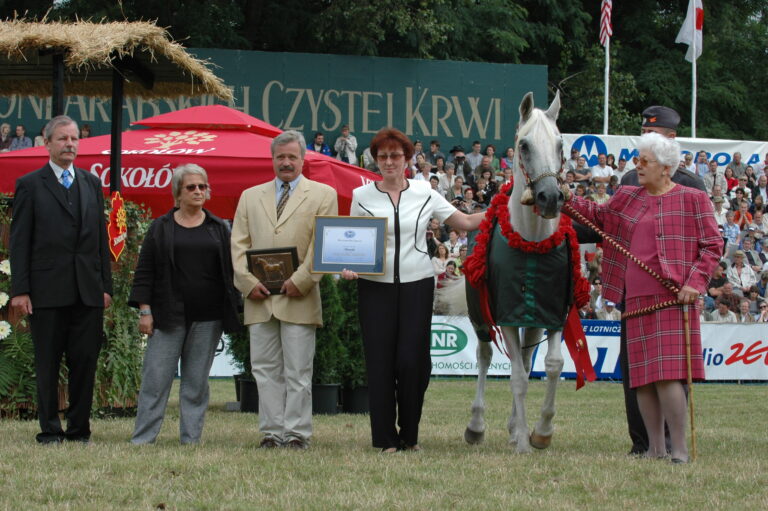
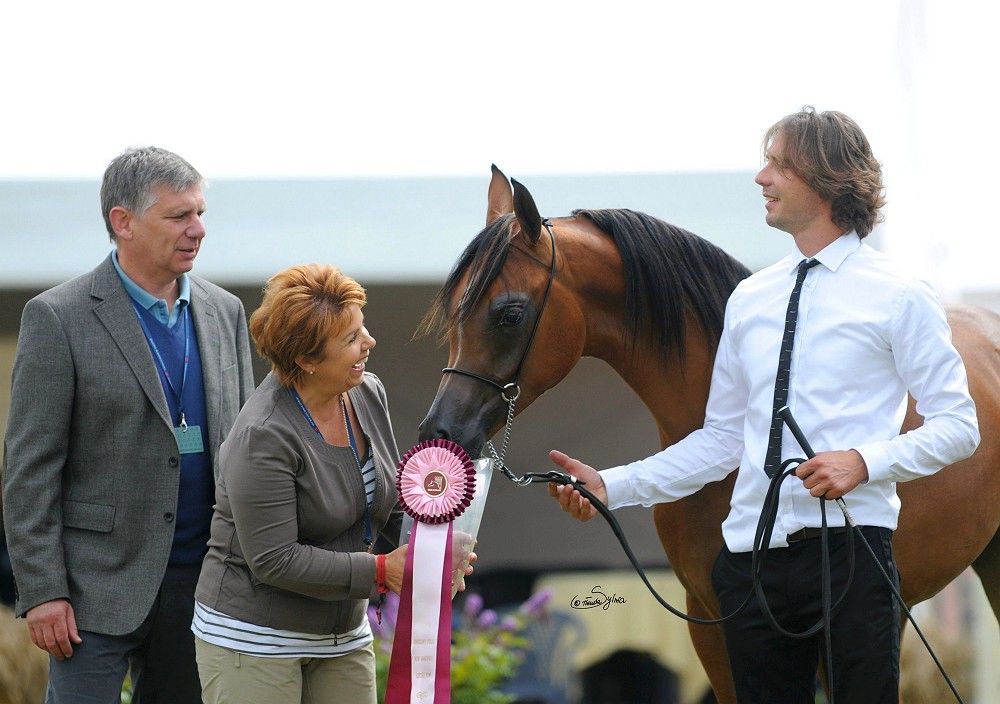
But that wasn’t her final word. Even though she was still a very young mare, successes came one after another. In 2011 alone, she won three more medals: a gold medal at the Dutch B-show Tulip Cup in Deurne, bronze at the 21st Junior Spring Show in Białka, and silver at the 1st Warsaw Arabian Horse Show “Arabia Polska”. And then came that coveted Top Five at the Polish National Arabian Horse Show in Janów Podlaski. Dreams truly do come true.
Shortly after, in 2011, El Siena (HDB Sihr Ibn Massai – El Aria / Ararat) was born. At first glance, she didn’t seem like a mare destined for a show career, but I saw potential in her from the start. She was trained by Gerald Kurtz and also began to achieve success. As a two-year-old, she won a silver medal in Białka and placed second in her class at the show in Aachen.
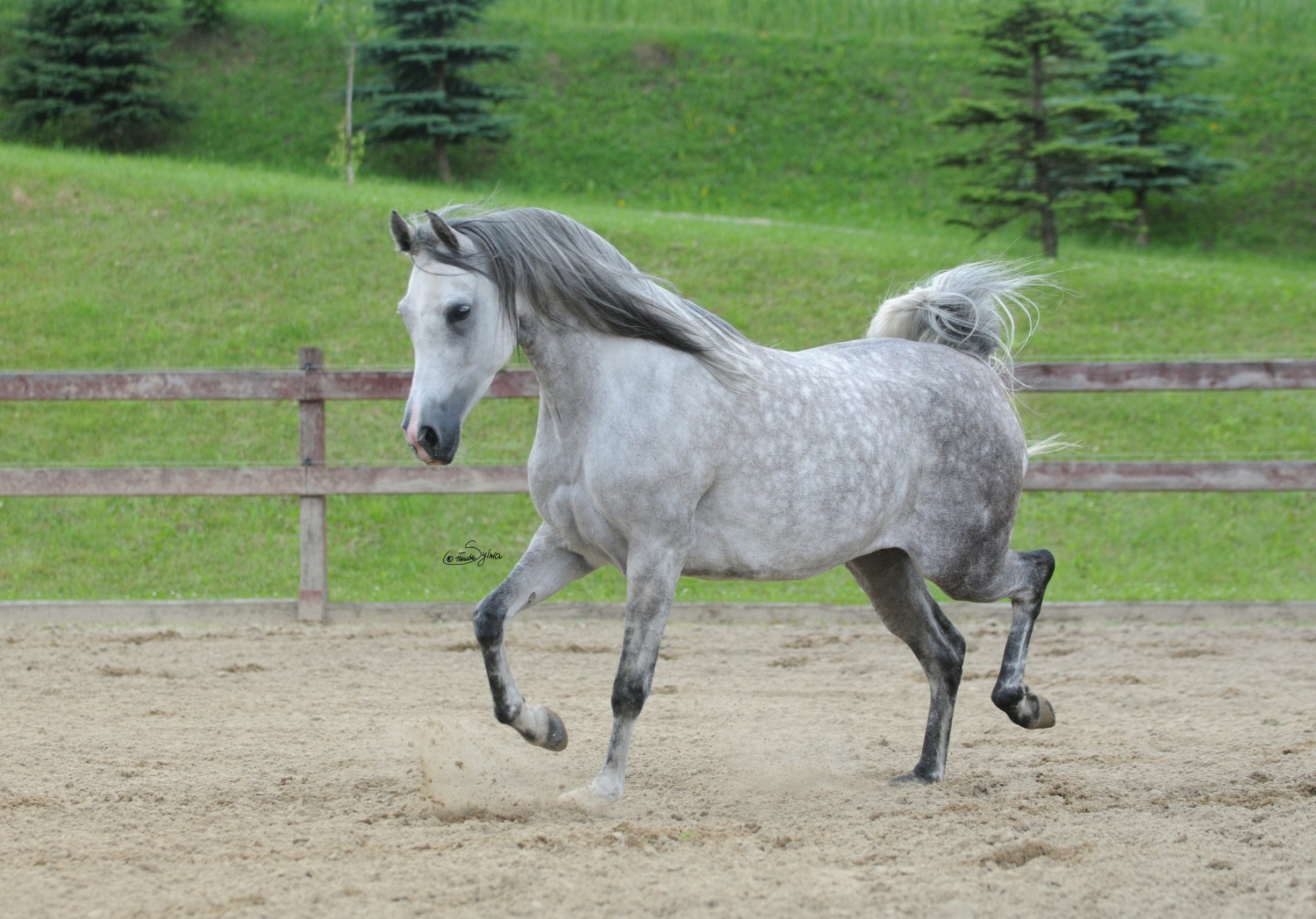
Over time, however, I began to find shows less and less appealing. Perhaps we’ll return to it someday, as our stable has horses with great show potential. We’ll see what the future holds…
After El Piatzolla’s successes, you once said, “Horses will show their worth” – it really stuck with me. What does it mean to you?
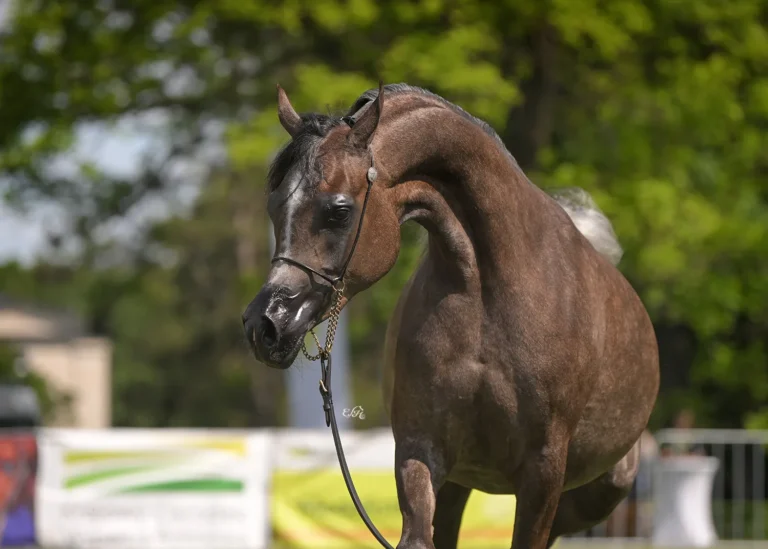
It depends on what we expect from them and what role they are intended to play. In the case of stallions, their value is best determined by their offspring – whether they pass on desired traits and whether the quality of their foals is stable. Show horses, on the other hand, prove their worth in the ring, through their performance and the scores they receive from the judges. However, it’s important to remember that even a great champion won’t always prove to be an equally valuable breeding horse. These are two completely different things. El Piatzolla has proven her worth time and again. She captivated audiences at shows, garnering high scores and winning titles. She is simply incredibly noble. Despite being eighteen years young, she’s totally delightful.
As I was reviewing the pedigrees of the horses from Podlesie Arabians, I noticed their names aren’t random. These are references to Italy, music, art, and culture. Is there a key to naming them?
We try to give our horses names that suit them and reflect their personality. Therefore, we rarely do this in the first few months of their lives. First, we need some time to observe the little one and see what name will suit them best.
We owe the name “El Piatzolla” to Tomasz Mrozowski, the vet who performed the artificial insemination on her dam. As soon as he saw her, he exclaimed, “Piatzolla!” Astor Piazzolla was a renowned Argentine tango composer, and our Piatzolla moved with such lightness and rhythm that the association seemed perfect. Since the rules required the name to begin with the letter “E”, she was given the prefix “El” and the name stuck.
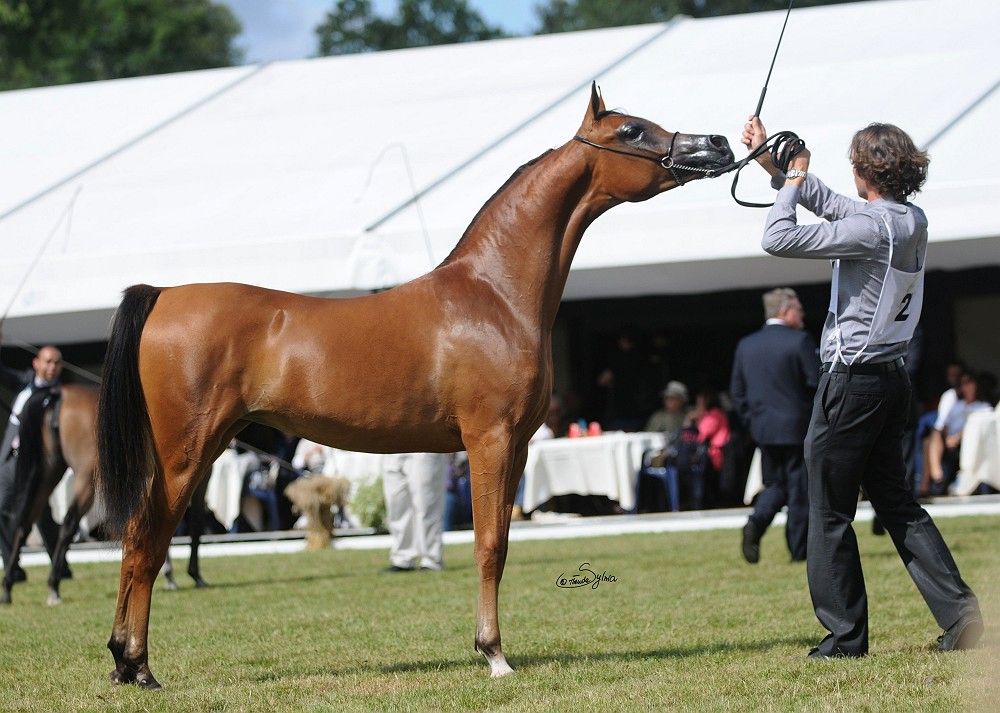
Same happened with El Siena. From the very first days, she captivated me with that beautiful shimmer of hers in the sun. I still remember the show in Aachen, during which the speaker repeatedly called her name, emphasising how beautiful it was. She herself was exceptional, incredibly distinctive, with a beautiful neck and a fantastic front.
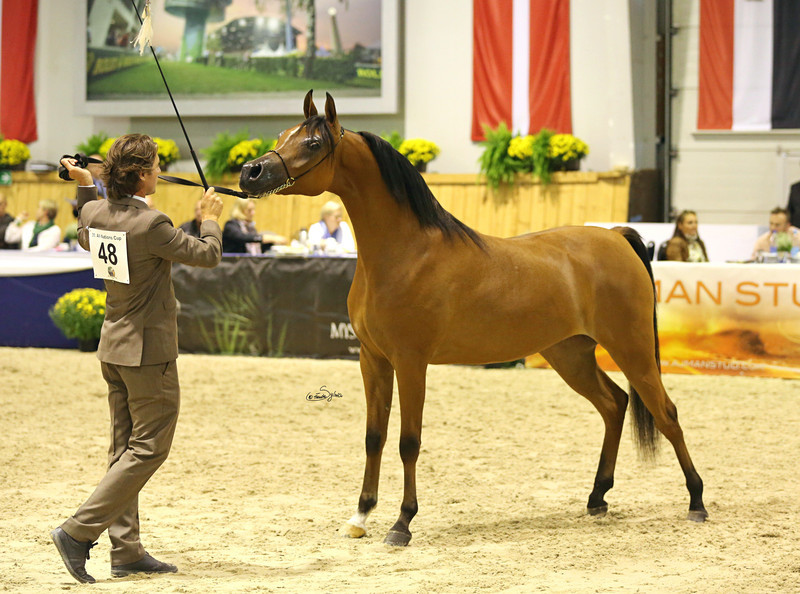
El La Rosa (WH Justice – Enya / Ekstern) was named after a rose, as she was exceptionally dignified from the start. El Vermentina (Vitorio TO – Enya / Ekstern) owes her name to an Italian grape variety, and El Peruggia (D Zeidan – El Piazetta / Vitorio TO) to the capital of Umbria. El Pia Pialotta, daughter of El Piatzolla and the stallion Excalibur E.A., was given a melodious and light name, just like herself. These are, of course, their pedigree names. At home, we address them much more simply, for example, Jolka, Rosia, Lotka…
What is your favourite time of day at the farm?
I don’t think I have a single favourite time of day. In fact, I’m here almost all the time, and that’s how I like it. I make sure our foals properly socialise from their very first days. It’s the breeder’s responsibility to teach them all the skills they might need later in life: from giving them a leg lift, through bathing and administering syrup, to getting them used to being touched where they’ll later be injected. A horse that leaves my stables and goes to a new home should already know all of this. There’s something equally important: a true relationship with a horse can only be built by simply being with them. Horse breeding brings wonderful moments that you remember for a lifetime, but there’s no point in romanticising horse breeding… Breeding isn’t just about beautiful moments and successes. It’s also about difficult decisions we have to make, and the burden of their consequences stays with us for a long time.
One time, we let the mares and foals out to pasture. After a while, we noticed that one of the foals had a severe allergic reaction, and moments later, neurological symptoms appeared. It turned out he had been bitten by a viper. We fought for him until midnight, but unfortunately, we couldn’t win the fight. There are also periods when everything goes smoothly for years, and then suddenly problems start piling up. Most births take place without any complications, but we also had to take a mare with a foal that was only four hours old to the equine clinic in Służewiec in Warsaw. We also had a foal that, after a fall in its stall, suffered a dislocated cervical vertebra within the first hour of its life. The veterinarians weren’t sure what to do. They even asked us if euthanasia was an option. We refused. We found a vet who attempted to set the vertebra. And it worked! Four weeks later, the foal was back with us.
There are also challenges few people consider. For a time, our mares gave us colts only. But without fillies, it’s difficult to develop a breeding programme. I think the hardest part of breeding is the burden of making difficult decisions. Breeding can be a deceitful business. At first, it brings immense joy, success, and great emotions, and then a moment later, it throws obstacles in your way, leaving you to find the strength to keep going.
What did you experience more in breeding: moments that teach patience or moments that reward you for having patience?
I think one is inextricably linked to the other. Breeding presents me with many challenges and requires patience virtually every day. It also often forces me to overcome my own weaknesses. It’s not always easy, but then comes the moment that rewards all the effort and truly inspires me.
If you had to describe the Arabian horse in a few words, what would they be?
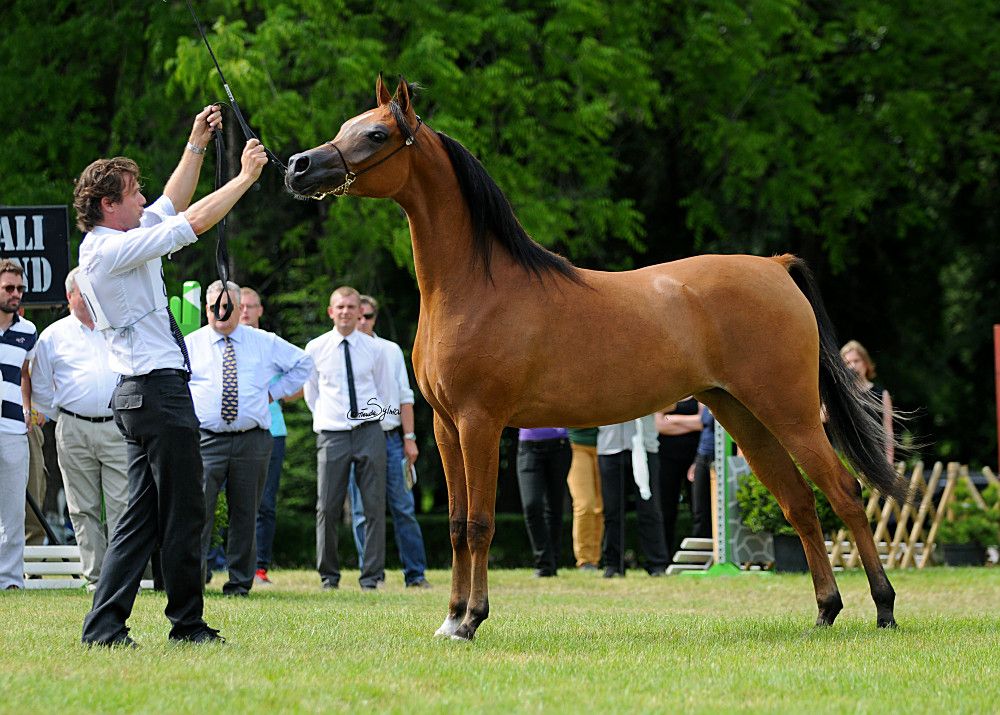
Personality, gaze, smarts, and those stunning black eyes. You simply have to know how to “read” an Arabian. They are incredibly sensitive horses, deeply attached to humans and capable of establishing a unique bond with them. They delight with their subtlety, airiness, and extraordinary finesse of movement. For me, Arabian horses are more than just horses. They are true works of art.
If one horse were to “tell” the story of Podlesie Arabians, who would it be?
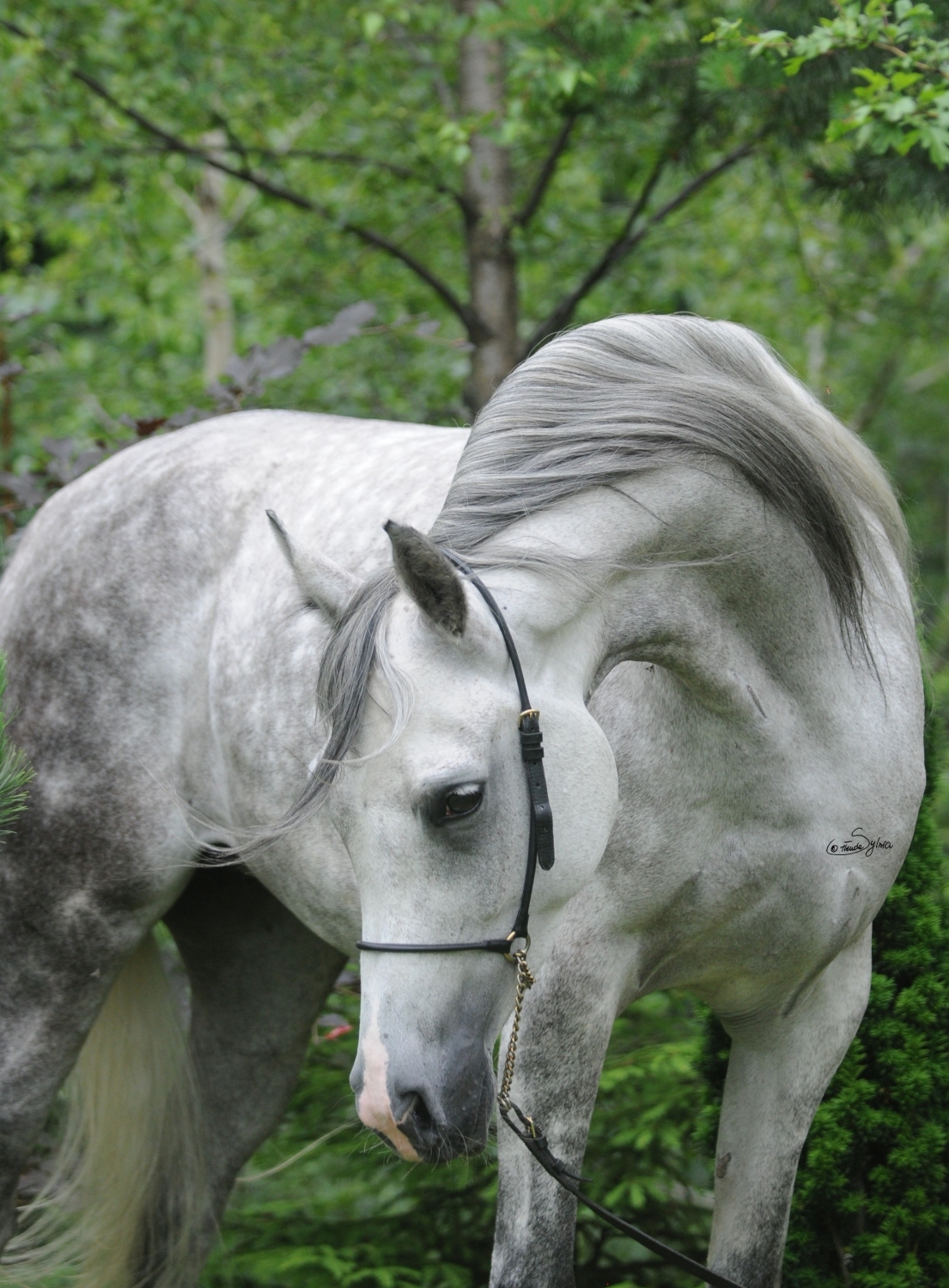
That’s a very difficult question. I don’t think I can name just one horse. There was Gepard, and there’s Piatzolla… I mentioned those two, but not because of their achievements. I had an incredibly strong bond with Gepard. It was the kind of friendship with a horse that stays in your heart forever. I built a similar relationship with Piatzolla. That feeling when I walk into the stables, and she immediately greets me and neighs at me… That voice of hers…
Which success do you reminisce most often and most fondly?
Now that’s a question! I reckon my answer might surprise you because I won’t list Piatzolla’s greatest successes. That would be too obvious, wouldn’t it? The success I recall most fondly was winning the Top Five title, and that was back in Janów Podlaski. It was a moment that truly took my breath away because a dream of mine came true in that very moment. However, I think medals aren’t what all this is about. The most beautiful thing is the path that leads to them. This reminds me of the story of Gepard. When Lenka and I prepared horses for endurance races, we approached our work very professionally. We had a carefully planned training schedule, and there was no room for excuses. Neither rain, nor frost, not even snowstorms could stop us. If training was planned, it simply had to be done. The discipline, adrenaline, and collaborative effort brought immense satisfaction.
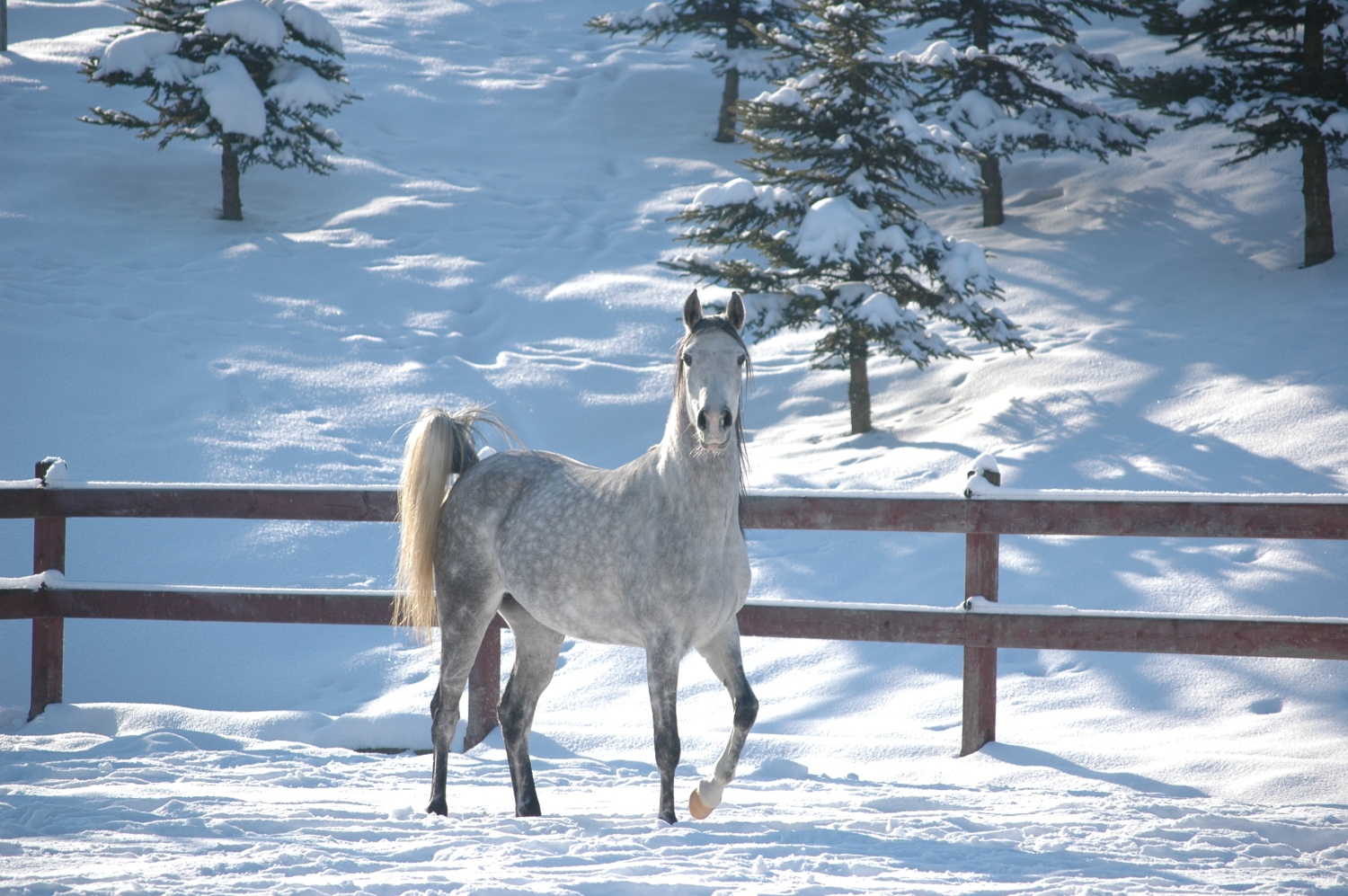
Any success, of course, brings singular, distinctive emotions, but it is the daily work and everything that leads to that victory that gives me the greatest satisfaction.
What are you most grateful to your horses for?
How should I say this…
– Just say what you feel – Marek throws in.
One thing is certain: they simply make me happy. When I’m with horses, all my problems cease to exist. You have to be calm and quiet around them. Horses shape you. They teach you humility, patience, and understanding. Just being able to interact with them, or rather live with them, is a tremendous gift for me. I’m grateful to be able to be witness to the foals being born. To be with them from their first minutes on this earth, to watch them stand up for the first time, learn how to drink, try to jump, and then watch them explore the world and learn to function in a herd.
The most beautiful, however, are the smallest of moments. When foals, just a few weeks old, hear my voice and greet me with their soft neighs. These are the moments that make me realise what a privilege it is to live among them. And that’s precisely what I’m most grateful to them for. They’re part of our family. If someone took my horses away from me, I’d feel like they’d taken everything from me.
You emphasise how much horses have given you, but is there anything they took away?
There’s no denying that breeding is, above all, time-consuming. My husband knows best how much effort it takes to carve out even a few days for a getaway together. Our entire schedule is dictated by horses, haymaking, foaling, and all the other responsibilities. Looking back, I realise it might be worth finding people who could sometimes help us out. On the other hand, when you’ve been involved in a horse’s life from birth, it’s difficult to simply hand over that responsibility to someone else.
Dear Husband, we did manage to get away recently!
– Beatka, that’s right, but we don’t have to go anywhere. As you know, anything for you – replies Marek, and after a moment adds jokingly: – But please don’t write that, I’m not the one interviewed! They both burst out laughing.
None of this would have been possible if it weren’t for you. I’m glad I managed to pass on my passion to you.
And is there a breeding dream that remains unfulfilled?
I don’t know if I still have any dreams strictly related to breeding… I’d like to be truly enchanted again someday. You have to have dreams, but I don’t voice mine. We have our dreams, but for now let them remain unsaid.
How would you like Podlesie Arabians to be remembered in twenty years?
Golly did that lady have a passion!